New Commercial Electrical Installation vs. Retrofit: Which Makes Sense for Your Business?
Deciding Between a Fresh Start and a Smart Upgrade
When a business faces the need for electrical work, the choice often comes down to two paths: install a completely new system or retrofit the existing one. Each option has its own set of advantages, challenges, and ideal use cases. Understanding the difference can save time, reduce disruption, and ensure the electrical infrastructure meets current safety and operational standards. This article compares both approaches to help you weigh what fits your situation best.
What Sets a New Installation Apart
A new commercial electrical installation means starting from scratch. Wires, conduits, junction boxes, and the main panel are all spec'd and placed according to a fresh electrical plan. This approach is common when a building is being constructed, but it also applies to major renovations where the old system is too outdated or unsafe to build upon.
The main benefit is freedom. You can design the wiring layout around the exact needs of the business. Circuit schedules can be planned to handle known loads, and future expansions can be accounted for early. Grounding and bonding are done to the latest code. Permits are pulled for the work, and inspections verify everything before it goes live. For businesses with heavy machinery, data centers, or specialized equipment, a new installation gives the cleanest path to reliable power distribution.
However, new work is not always the simplest choice. It can involve more extensive construction, longer downtime, and a higher upfront investment. If the existing walls, ceilings, and floors are in good shape, cutting into them to run new conduit may feel wasteful. The key is to evaluate whether the added cost and disruption are justified by the need for a system built from the ground up.
When Retrofitting Makes Sense
A retrofit updates or replaces parts of an existing electrical system while keeping the rest in service. This might mean swapping out an old panel, adding new circuits, upgrading wiring in certain zones, or improving grounding where the original work fell short. Retrofits are common in older buildings that have been well maintained but need to support modern occupancy loads or new technology.

The main draw of a retrofit is efficiency. You avoid ripping out everything, which reduces material waste and keeps the project timeline shorter. A retrofit can also be staged, allowing different areas of the business to remain operational while work proceeds elsewhere. For a retail space, office, or light industrial facility that has good basic infrastructure but needs more capacity or newer safety features, retrofitting can be a smart financial move.
That said, retrofitting has limits. If the existing conduit system is damaged, undersized, or made from materials no longer approved, you may be forced to replace sections anyway. There is also the risk of uncovering hidden problems once work begins. Old wiring may be brittle, junction boxes may be inaccessible, and the original electrical plan may not match what was actually built. A careful survey before any work starts helps identify these issues early.
Key Factors in the Decision
Every business has different priorities. The following points can help clarify which route is more appropriate for your situation.
- Age and condition of the existing system. If the electrical installation is more than 30 years old and has never been updated, a full replacement may be safer and more cost-effective in the long run. Systems with aluminum wiring, cloth insulation, or undersized panels are prime candidates for new work.
- Future plans for the space. If you expect to add equipment, expand into adjacent rooms, or change the layout significantly, a new installation designed with spare capacity can save headaches later. Retrofits can be adapted, but they may limit how much you can grow.
- Occupancy load and code requirements. Modern codes demand more circuits, AFCI/GFCI protection, and proper grounding than older systems provide. A retrofit can bring the system up to code, but if the existing panel does not have room for new breakers, you may need a panel upgrade anyway.
- Budget and timeline. Retrofits typically cost less and take less time, but they are not always the cheaper option if extensive repairs are needed. New installations have a higher initial cost but fewer surprises. Getting a detailed estimate for both scenarios is the only way to compare accurately.
- Disruption to operations. If your business cannot afford long outages, a phased retrofit lets you keep critical equipment running while work happens in other parts of the building. A full replacement usually requires a longer shutdown or temporary power solutions.
No single answer fits every business. The best approach depends on the balance between these factors. A qualified electrician can evaluate the existing system and provide a recommendation based on what they find.
Common Scenarios and What They Suggest
Consider a few typical situations. A small office moving into a older building may find that the existing system works fine for lighting and computers but lacks enough circuits for a new server room or kitchenette. A retrofit that adds a subpanel and dedicated circuits could be the right call. On the other hand, a manufacturing facility that has outgrown its 60-amp service and needs 400 amps will almost certainly require a new service entrance and main distribution panel, making a full installation the logical choice.
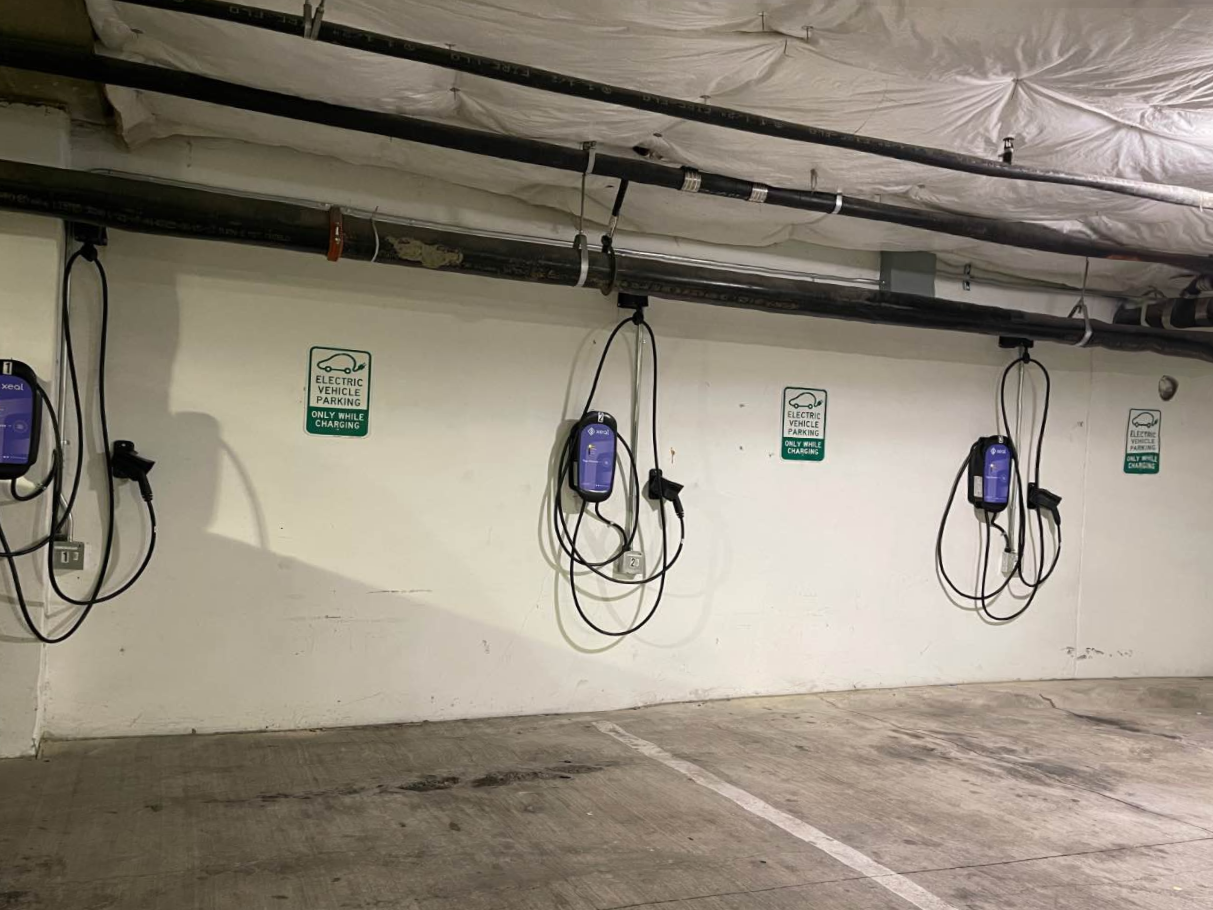
Retail stores, restaurants, and warehouses often fall in the middle. They may have adequate capacity but need updated grounding, more outlets, or new lighting controls. A retrofit can handle these upgrades without redoing the entire conduit system. However, if the building has been remodeled multiple times and the wiring is a patchwork of old and new, starting over can be more reliable in the long run.
For businesses in the Bay Area, including those in San Jose and Santa Clara, working with a commercial electrical contractor who understands local permitting and inspection processes is important. The team at woodingelectric.com provides commercial electrical installation, repair, troubleshooting, upgrades, and power distribution services for businesses in these cities and surrounding areas. Their experience with both new installations and retrofits can help you decide which path fits your project.
Planning Ahead for a Smooth Project
Once you have chosen your approach, good planning makes the difference between a stressful project and a smooth one. Start with a clear scope of work. An electrical plan and wiring layout should be drawn up, showing every circuit, outlet, switch, and junction box. Pull permits as required by your local jurisdiction. Permits protect you by ensuring the work is inspected and meets code.
Coordinate with other trades if the project involves walls, ceilings, or flooring. It is much easier to run conduit before drywall goes up. If you are retrofitting, document the existing system thoroughly before any work begins. Photos, notes, and a circuit schedule help the electrician understand what they are working with and avoid mistakes.
Communication with your team is also vital. Let employees know which areas will be affected and for how long. If possible, schedule the most disruptive work during off-hours or weekends. A well-planned project minimizes downtime and keeps your business running smoothly.
Making the Final Call
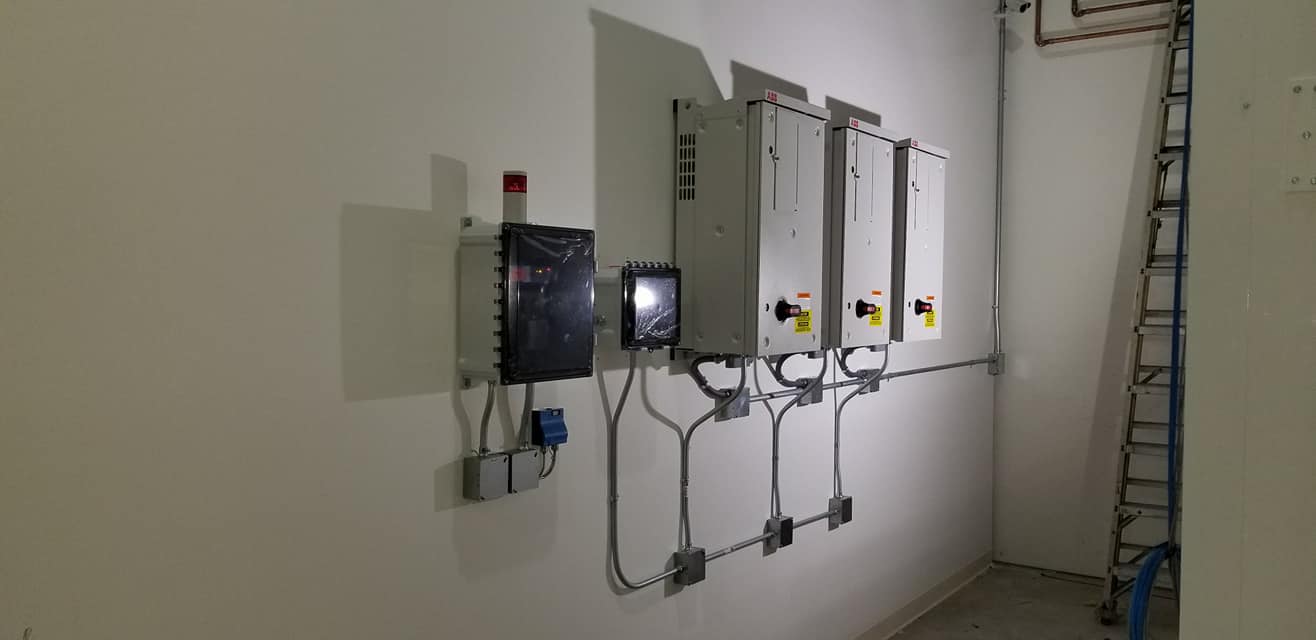
There is no universal right answer between a new commercial electrical installation and a retrofit. The decision depends on the age and condition of your existing system, your current and future power needs, your budget, and how much disruption you can manage. A thorough evaluation by a licensed electrician can give you the information you need to move forward with confidence.
For businesses in the Bay Area, the team at woodingelectric.com offers experience in both approaches. Whether you need a complete system design for a new building or a targeted upgrade to an existing one, their services cover the full range of commercial electrical work. Taking the time to compare your options now can save you money and frustration down the road.